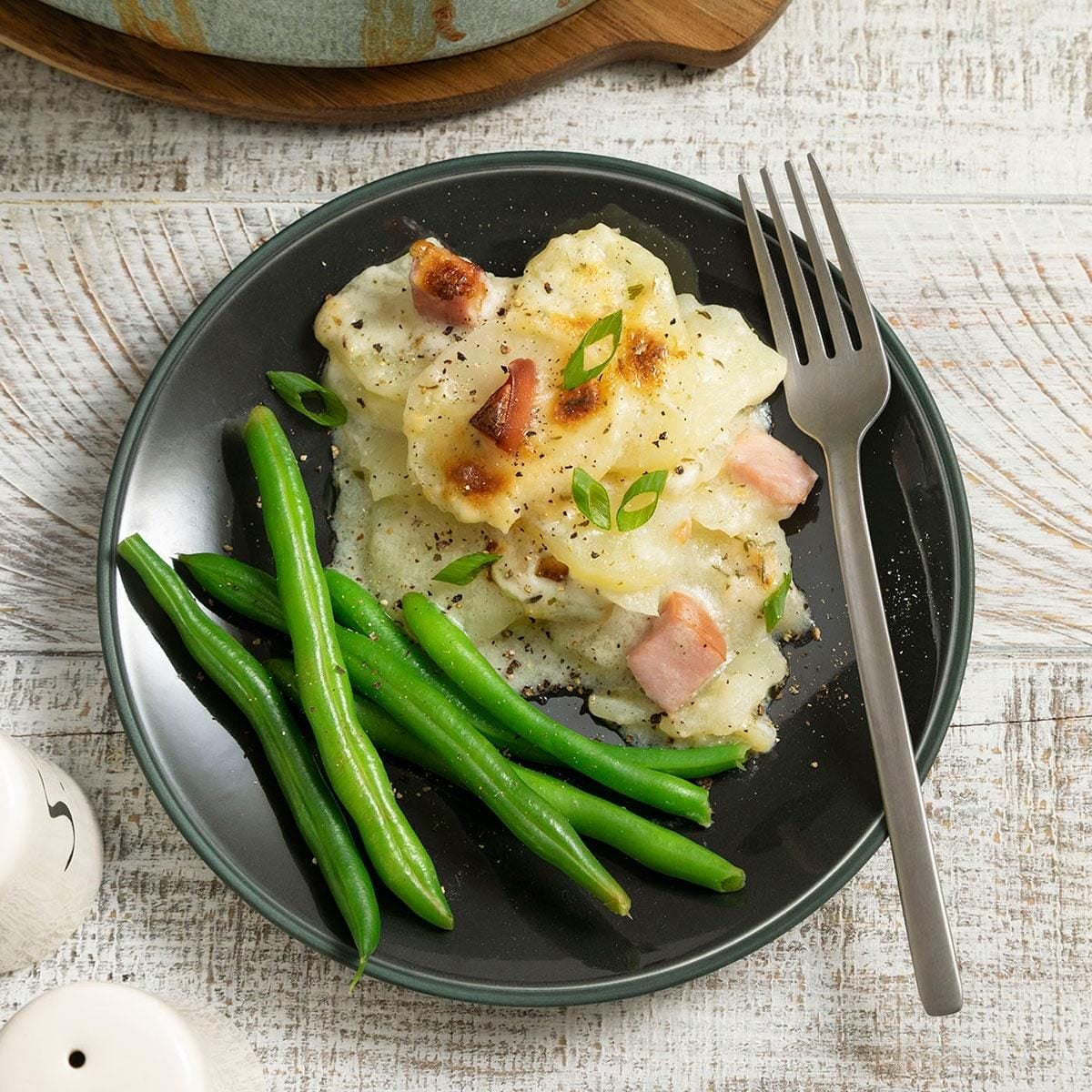
Few dishes evoke the warmth and comfort of home quite like a classic casserole. And among the pantheon of comforting concoctions, scalloped potatoes and ham stands as an undisputed champion. This isn't just a meal; it's a culinary hug, a heartwarming feast that brings families together, perfect for a cozy weeknight dinner or a special gathering. Imagine tender, thinly sliced potatoes, savory pieces of smoked ham, and a rich, creamy sauce, all baked to golden perfection under a blanket of melted cheese. If you're ready to master this timeless classic, you've come to the right place. We'll delve into the essential ingredients, unlock the secrets of preparation, and share expert tips to ensure your scalloped potatoes and ham dish is nothing short of spectacular.
The Heart of the Dish: Essential Ingredients for Perfect Scalloped Potatoes and Ham
The magic of an exceptional scalloped potatoes and ham casserole lies in the quality and harmony of its core components. Choosing the right ingredients is the first step towards achieving that crave-worthy, creamy texture and unforgettable flavor profile.
Potatoes: The Foundation of Fluffy Layers
For scalloped potatoes, not all spuds are created equal. The key to a wonderfully creamy and naturally thickened sauce lies in using starchy potatoes. Varieties like Yukon Gold or Russet potatoes are ideal choices. Yukon Golds offer a beautiful golden hue and a buttery texture, while Russets are known for their high starch content, which helps absorb the creamy sauce and contribute to its luscious consistency. Avoid waxy potatoes, as they tend to hold their shape too well and won't release enough starch to properly thicken the sauce.
Ham: The Savory Star
The ham is more than just a supporting player; it’s a co-star that brings a delightful smoky, salty counterpoint to the rich potatoes. Many home cooks find a smoked ham steak to be an excellent choice for this recipe. It’s flavorful, readily available, and often provides just the right amount without breaking the bank. However, this dish truly shines as a way to utilize leftover ham from a holiday feast. Diced bits of spiral-cut or bone-in ham contribute a depth of flavor that's hard to beat. Whatever you choose, ensure it's fully cooked and diced into bite-sized pieces for even distribution throughout the casserole.
Cheese: The Golden Crown
While the creamy sauce provides ample richness, the addition of cheese takes this dish to another level of indulgence. A blend of cheeses offers the best of both worlds. Sharp cheddar cheese brings a piquant, robust flavor that cuts through the richness, while Monterey Jack contributes a mild, melt-in-your-mouth creaminess. Other fantastic options include Gruyère for a nutty complexity, or even a smoked cheddar for an extra layer of smoky goodness. Always opt for block cheese that you grate yourself; pre-shredded varieties often contain anti-caking agents that can hinder smooth melting.
The Velvety Cream Sauce Base
The creamy sauce is what binds everything together, creating that irresistible moistness. It typically starts with a classic roux (butter and flour) and is then enriched with liquids and seasonings:
- Butter: Unsalted is preferred for control over seasoning, but salted can be used by reducing added salt elsewhere.
- Aromatics: Finely diced onion and minced garlic form the flavorful foundation.
- Flour: All-purpose flour is key for creating the roux, which thickens the sauce.
- Liquids: A combination of chicken broth (preferably low-sodium) and milk (whole or 2% for richness) creates the perfect consistency.
- Seasonings & Herbs: Beyond salt and black pepper, ingredients like paprika add warmth and color, while a pinch of ground cayenne provides a subtle, invigorating kick. Fresh herbs like thyme or parsley, added at the end or as a garnish, brighten the entire dish. Dried herbs can be used in a pinch, but fresh provides superior aroma and flavor.
Crafting the Creamy Dream: Step-by-Step Preparation Secrets
Making scalloped potatoes and ham is a rewarding process, and understanding each step ensures a harmonious blend of textures and flavors. Precision in preparation leads to perfection on the plate.
Mastering the Cream Sauce
The sauce is the backbone of the dish, so treat it with care. Begin by melting butter in a large saucepan over medium-low heat. Sauté the diced onion until it softens and becomes translucent – this sweetness will infuse the sauce. Introduce minced garlic for just a minute, stirring constantly to prevent burning, as burnt garlic can turn bitter. Next, sprinkle in the flour to create a roux, stirring constantly for about two minutes. This crucial step cooks out the raw flour taste, preventing a pasty sauce.
The key to a lump-free sauce is to whisk in the liquids gradually. Alternate between small additions of chicken broth and milk, whisking vigorously after each addition until fully incorporated and smooth. Continue cooking and whisking until the sauce thickens to your desired consistency – it should be coating the back of a spoon. Finally, whisk in your chosen seasonings: fresh or dried thyme, salt, black pepper, paprika, and that optional hint of cayenne. Remove the sauce from the heat to prevent over-thickening before assembly.
The Art of Layering
Even distribution is paramount for a uniform and satisfying casserole. Start by spreading a few tablespoons of your creamy sauce mixture in the bottom of your chosen casserole dish. This prevents the bottom layer of potatoes from sticking and drying out. Then, add a single layer of your thinly sliced potatoes, slightly overlapping. Follow this with a third of your diced ham and then a generous third of the cream sauce. Repeat this layering process two more times, ensuring you have three distinct and even layers of potatoes, ham, and sauce. This method guarantees every spoonful has a taste of all the delicious components. For more layering insights and ingredient ratios, consider exploring Creamy Scalloped Potatoes and Ham: Ultimate Comfort Food Recipe.
Achieving Potato Slicing Perfection
The thickness of your potato slices directly impacts cooking time and overall texture. Aim for slices that are uniformly 1/8 to 1/4 inch thick. This ensures they cook through evenly and become tender without turning mushy. A mandoline slicer is an invaluable tool for this task, providing consistent cuts with minimal effort. If using a knife, take your time to ensure uniformity. Thinner slices mean faster, more even cooking, contributing to that perfect melt-in-your-mouth texture.
Baking for Excellence
Initial baking is done covered. Tightly cover your casserole dish with aluminum foil. This traps steam, allowing the potatoes to cook thoroughly and become tender in the creamy sauce. Bake for approximately one hour. After this initial bake, remove the foil and scatter your shredded cheddar and Monterey Jack cheeses over the top. Return the uncovered casserole to the oven for another 20-25 minutes, or until the cheese is melted and bubbly, the top is golden brown, and the potatoes are fork-tender. If you're using a deeper dish, it might take a little longer.
The Crucial Resting Period
Once out of the oven, it's tempting to dig right in, but resist! Loosely cover the casserole with foil and let it rest for at least 20 minutes before serving. This resting period is critical for two reasons: it allows the sauce to set and prevents it from being runny, and it gives the flavors a chance to meld and deepen, resulting in a more cohesive and delicious dish. A perfectly rested casserole will hold its shape beautifully when served.
Elevating Your Dish: Pro Tips, Variations, and Serving Suggestions
Beyond the fundamental recipe, there are numerous ways to personalize and perfect your scalloped potatoes and ham, making it a true reflection of your culinary style and a guaranteed crowd-pleaser.
Beyond the Basics: Creative Variations
While the classic recipe is divine, feel free to experiment. For an extra layer of flavor, try incorporating different cheeses like smoked gouda or Parmesan. Some home cooks enjoy adding a sprinkle of fresh nutmeg to the cream sauce for a subtle warmth. For a touch of green and added nutrients, stir in some frozen peas or corn during the last 10 minutes of baking, or even a handful of chopped spinach with the final layer of sauce. A dash of Dijon mustard in the cream sauce can also provide a pleasant tang.
Making the Most of Leftover Ham
As highlighted in the reference context, this dish is an absolute savior for leftover ham. After holidays like Easter or Christmas, transforming those delicious remnants into a fresh, comforting meal is a tradition in many households. The pre-cooked nature of leftover ham means less prep work for you, making this a quick and efficient way to create a hearty dinner.
Preparation Tips for Success
- Consistent Slicing: As mentioned, a mandoline is your best friend for achieving uniform potato slices, ensuring even cooking.
- Don't Skimp on the Sauce: Ensure sufficient sauce to coat all layers thoroughly.
- Seasoning in Layers: While the sauce is seasoned, a light sprinkle of salt and pepper over each potato layer can enhance overall flavor.
- Pre-warming Liquids: Gently warming your milk and broth before adding them to the roux can help prevent lumps and speed up the thickening process.
Storage and Reheat Smarter
Leftovers of scalloped potatoes and ham are often just as good, if not better, the next day. Store any remaining casserole in an airtight container in the refrigerator for up to 3 days. For longer storage, this dish freezes exceptionally well. Transfer cooled leftovers to a sturdy freezer-safe container and freeze for up to 3 weeks. Thaw overnight in the refrigerator before reheating.
When reheating, use a microwave at a reduced power setting to ensure the potatoes heat through gently without drying out or overcooking. Alternatively, you can reheat individual portions or the entire casserole covered with foil in a preheated oven (around 300-325°F or 150-160°C) until warmed through, then uncover for the last few minutes if you want to crisp up the top.
Perfect Pairings
Because scalloped potatoes and ham is a rich and hearty dish, it pairs wonderfully with lighter accompaniments. A crisp, fresh green salad with a vinaigrette dressing provides a refreshing contrast. Crusty bread or dinner rolls are perfect for soaking up any extra creamy sauce. Simple steamed green beans or asparagus also complement the meal beautifully, adding vibrant color and a touch of freshness.
Mastering scalloped potatoes and ham is about understanding the interplay of simple, quality ingredients and executing the steps with care. It’s a dish that embodies comfort, warmth, and the joy of shared meals. Whether you're making it for a special occasion or simply to chase away the chill of a cold evening, this classic casserole is sure to become a beloved staple in your culinary repertoire. So gather your ingredients, follow these secrets, and prepare to create a truly unforgettable experience that warms tummies, hearts, and souls alike.
